
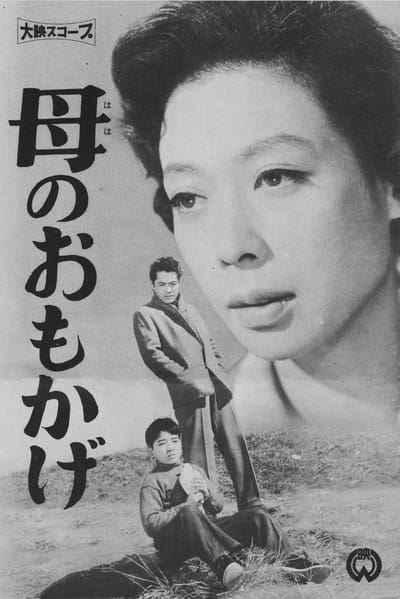



It's incredible how Shimizu is able to slow down the overwhelming tensions of childhood grief in a single space and time of the plot that, prima facie, exposes, as if through a prism of cinematic simplicity, feelings that are in reality extremely complex, and even indescribable, such as Michio's attachment to his biological mother, despite Sonoko's excessive nobility, or the maternal affection that only gradually emerges from the stepmother. Just as in his last silent film, "A Hero of Tokyo" (1935), where there is a common agreement to pair a woman and a man with children from their respective…
Leer reseña completa →