
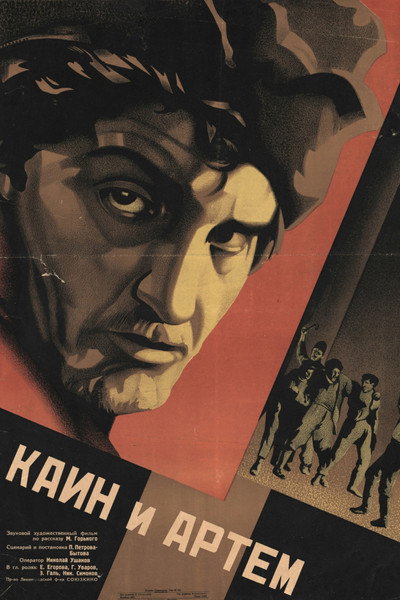

The communist realism of Maxim Gorky's works is embodied in the social concern of this quiet interwar work of art that Abel Gance would later dubbed and takes place in a Volga town; Its defect is being predictable, but only if it is not charitable and takes into account the genuine sacrifice that it must have meant for the kulaks and market vendors to survive in the face of debt poverty in Europe at the end of the 1920s. Precisely from a beginning, the anti-Semitic disdain, the poor and miserable conditions in the dirty square - and boring, as the intertitles say - are the breeding ground that…
Leer reseña completa →